Minimalist Design: The Art of Saying More with Less
In a world filled with overwhelming information and visuals, minimalist design has emerged as a powerful approach in branding and graphic design. The concept revolves around simplicity, clarity, and functionality, proving that sometimes, less is more when it comes to effective communication.
What is Minimalist Design?
Minimalist design focuses on clean layouts, limited color palettes, simple typography, and ample white space to create a strong visual impact. The goal is to strip away unnecessary elements and highlight what truly matters. It’s not just about making things look simple; it’s about making them work efficiently while maintaining aesthetic appeal.
Key Principles of Minimalism in Design
- Simplicity – Removing clutter and unnecessary elements for a clean, refined look.
- Functionality – Every element should serve a purpose rather than being decorative.
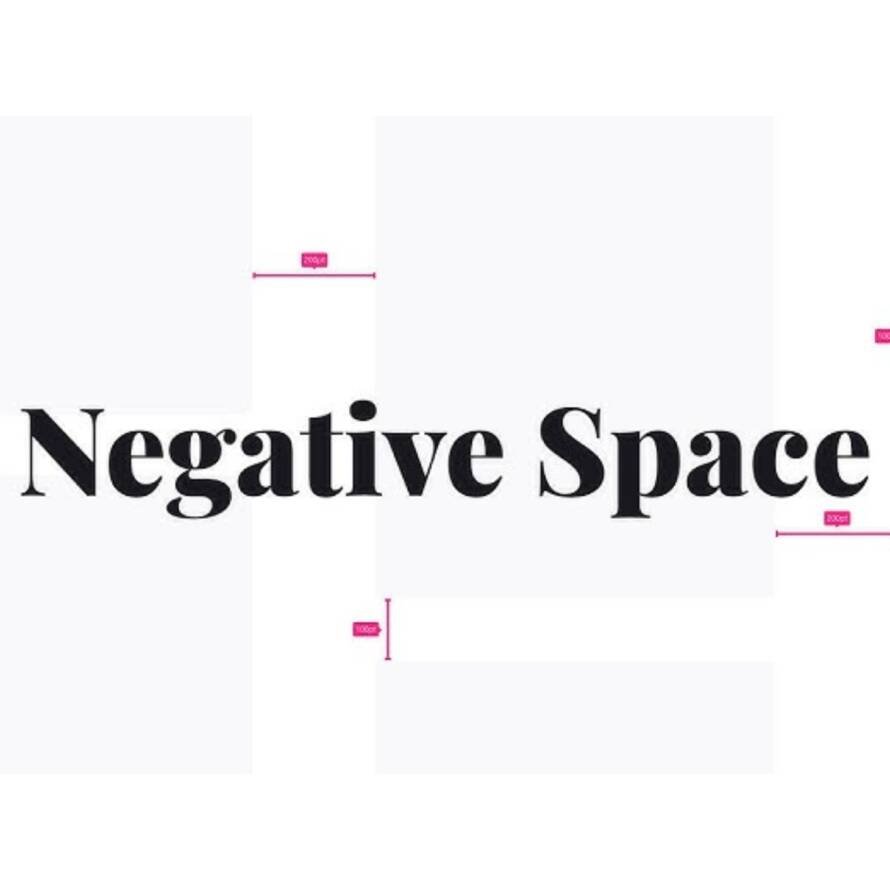
- Whitespace – The use of negative space enhances readability and focus.
- Limited Color Palette – A few well-chosen colors can create a cohesive and sophisticated feel.
- Typography Matters – Clean and readable fonts improve clarity and brand perception.
Why Brands Are Embracing Minimalism
Many leading brands have adopted minimalistic approaches in their logos, websites, and marketing materials. Companies like Apple, Nike, and Google have mastered the art of minimalist design, creating identities that are sleek, timeless, and instantly recognizable.
Advantages of Minimalist Design in Branding
- Enhances Brand Recognition – Simple designs are easier to remember.
- Improves User Experience – Clean interfaces make navigation intuitive.
- Gives a Modern & Timeless Appeal – Minimalism never goes out of style.
- Creates a Strong Emotional Connection – Subtlety allows brands to convey messages without distractions.
Minimalist Design in Different Mediums
- Logos – Think of Nike’s swoosh or Apple’s bitten apple. These logos convey identity with one strong symbol.
- Web Design – Clean layouts, soft animations, and strategic whitespace improve usability.
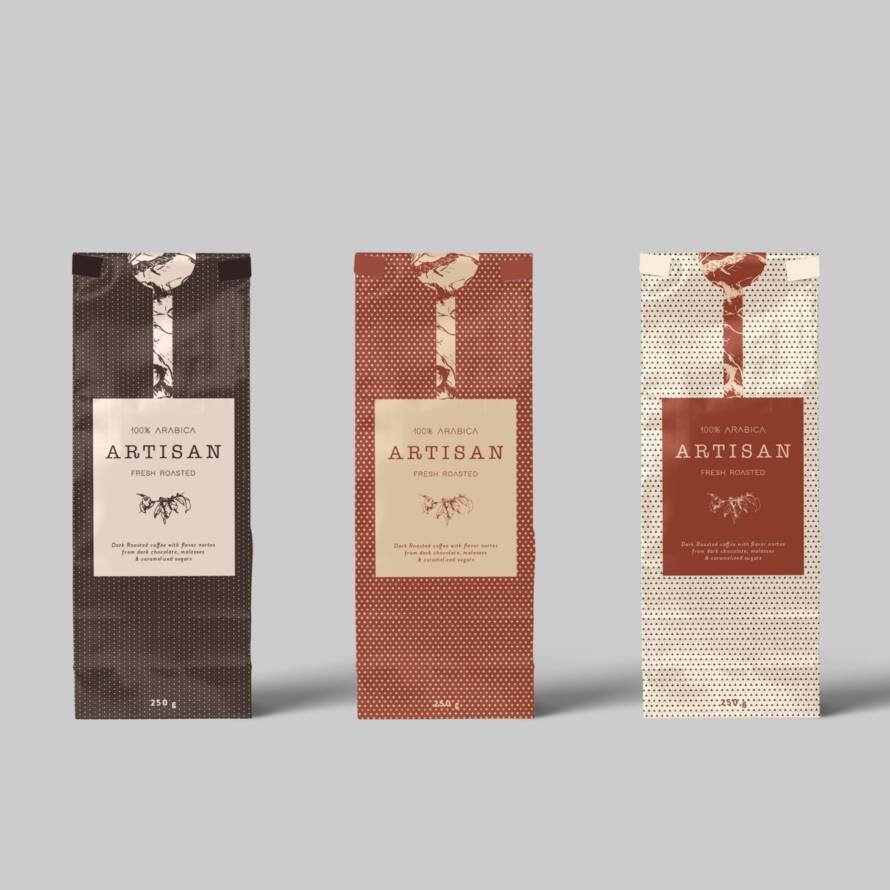
- Packaging – Minimalist packaging (like Apple’s product boxes) conveys luxury and sophistication.
- Advertising – Simple yet striking ad visuals focus on core brand messages without unnecessary distractions.
Challenges of Minimalist Design
While minimalism offers numerous benefits, it requires careful execution. The challenge lies in ensuring that simplicity doesn’t turn into blandness or lack of identity. Designers must strike a balance between aesthetic appeal and functional storytelling, ensuring the design remains engaging and meaningful.
The Future of Minimalist Design
With the growing emphasis on clean aesthetics and user-friendly experiences, minimalist design will continue shaping the visual identity of brands worldwide. Whether in UX/UI design, branding, or advertising, minimalism is not just a trend—it’s a philosophy that helps brands communicate effectively in an era of information overload.
Final Thoughts
Minimalist design is a powerful storytelling tool that enhances brand perception, clarity, and engagement. By focusing on essential elements, brands can create an impactful, timeless presence that resonates with audiences across all platforms.