The Power of Graphic Design in Branding
In an era where consumers are constantly bombarded with information, visual identity plays a crucial role in defining a brand’s presence. A well-designed brand is not just about aesthetics, it’s about communication, consistency, and emotional connection.
Why Branding Matters
Branding is the foundation of how a company is perceived by its audience. It influences purchasing decisions, builds trust, and creates a strong recall in the minds of consumers. Successful brands don’t just sell products, they sell experiences, emotions, and values.
A well-established brand identity helps in:
* Creating a distinct presence in the market
* Building trust and credibility
* Enhancing customer loyalty
* Establishing emotional connections
The Role of Graphic Design in Branding
Graphic design is the visual language of a brand. It translates a company’s vision into tangible elements that shape customer perceptions. Every design choice, from logo to typography, contributes to the larger brand story.
Key Elements of Brand Identity Design
🔹 Logo: The face of the brand—simple, memorable, and versatile.
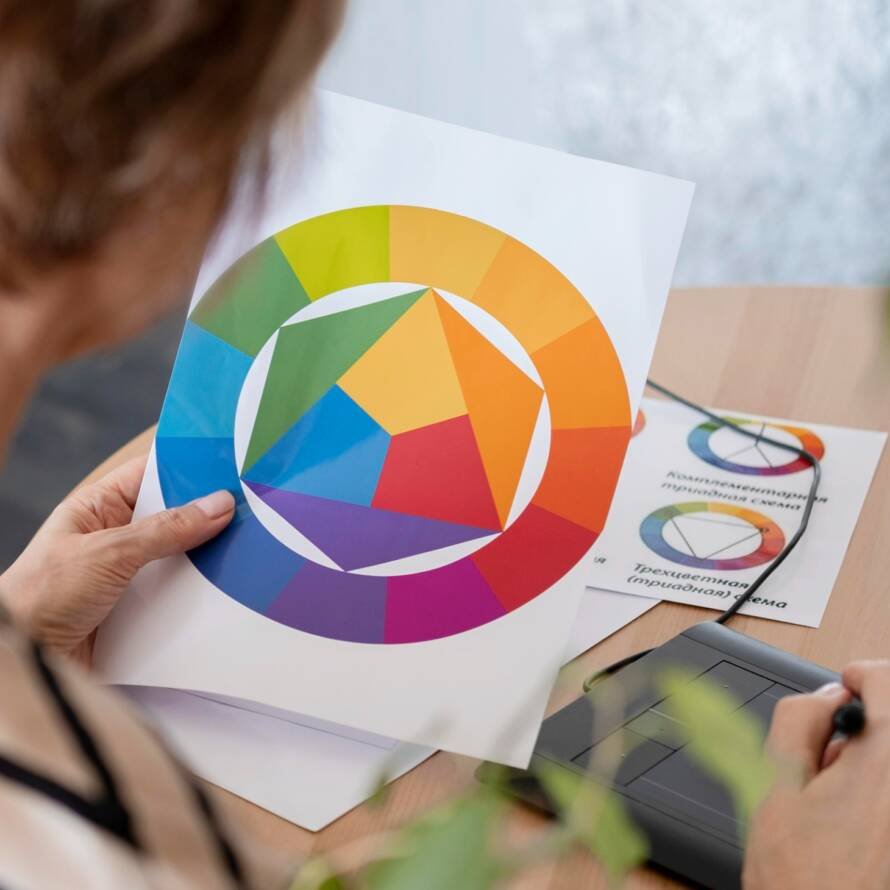
🔹 Color Palette: Colors evoke emotions and influence consumer behavior.
🔹 Typography: Fonts convey tone, personality, and readability.
🔹 Imagery & Icons: Visuals reinforce brand messaging.
🔹 Layout & Composition: Consistency in design maintains brand coherence.
Psychology Behind Colors and Fonts
Colors and typography are not just design elements; they have psychological impacts on the audience. For example:
* Red: Energetic, bold, associated with passion and urgency.
* Blue: Trustworthy, calming, often used in corporate and healthcare brands.
* Yellow: Optimistic, youthful, linked with creativity and innovation.
Similarly, typography plays a role in shaping perceptions:
* Serif Fonts: Traditional, authoritative, used in luxury and professional brands.
* Sans-serif Fonts: Modern, clean, preferred for digital interfaces.
* Script Fonts: Elegant, personal, often used in high-end branding.
Consistency is Key in Branding
One of the biggest challenges brands face is maintaining visual consistency across different platforms. Whether it’s a website, social media, print materials, or product packaging, a cohesive brand identity ensures recognition and trust.
Successful brands don’t just create logos; they create a design system that works across various touchpoints, ensuring that the audience experiences the brand uniformly, regardless of the medium.
The Future of Branding & Design
With the rise of digital platforms, branding is evolving beyond traditional mediums. Motion graphics, 3D design, and AI-driven visual identities are shaping the future of branding. Businesses must stay adaptable, ensuring their brand identity remains relevant in a dynamic world.
Branding is no longer just about what a company sells—it’s about how it makes people feel. In the age of digital transformation, strong branding through thoughtful design is what separates successful brands from the rest.